Share this
Rachel Burris Rodriguez on Mar 11, 2026, 9:30:00 AM
You know personalization matters. Every fundraising expert talks about it, every donor survey confirms it, and you've probably seen the stats about personalized emails getting higher open rates.
Most nonprofits are stuck on adding donor names and recent gift amounts to their emails and calling it personalization. Meanwhile, your donors are getting truly personalized experiences everywhere else — from Netflix recommendations to Amazon product suggestions to social media feeds that somehow know exactly what they want to see.
The gap between what donors expect and what most nonprofits deliver is only getting wider. And it's not because fundraisers don't care about personal connection. It's because scaling real personalization feels impossible when you're already stretched thin.
This week, we're looking at how to bridge that gap using donor personas that guide your messaging, AI tools that identify your best prospects and suggest optimal timing, and creative approaches like email mapping to reconnect with lapsed supporters.
The take-home template
One-size-fits-all donor communications are leaving money on the table. This guide from Candid gives you 10 detailed donor personas with specific motivations, preferred channels, and proven messaging cues. From monthly givers who want consistency updates to impact investors who need data dashboards, you'll have a framework for scaling personalization without the guesswork.
Snackable snippets
How to personalize your nonprofit’s fundraising at scale 📖
More than 85% of nonprofits are exploring AI, but less than 13% use it for predictive analytics to scale personalization. Most stop at adding names and gift amounts to emails, but predictive modeling identifies who's most likely to respond, upgrade, or become a lifetime supporter. When combined with donor-signaling tools, you can personalize the entire donor experience without starting from scratch every time.
Re-engage lapsed donors with email mapping 📖
Ever wonder how to reconnect with donors who went radio silent on your emails? Email mapping campaigns let you serve display ads to your email list while they browse other websites. Many donors unsubscribe just to declutter their inbox, not because they've lost interest in your mission. By showing up as they read the news or check social media, you can remind them you exist without flooding their inbox.
Meeting donor expectations with AI impact reporting 📖
With 81% of nonprofits struggling to cover costs in 2025, donors want more than traditional quarterly impact reports. They want to see progress as it unfolds, not summaries of what happened months ago. AI-powered dashboards can show live data during critical periods, such as back-to-school season — how many students received backpacks, where gaps remain, and which outreach efforts are working.
Revenue grew 3.4% for top 30 US P2P programs 📖
America's top 30 peer-to-peer programs collectively raised $1.17 billion in 2025, marking their fourth consecutive year of growth with a 3.4% revenue increase. While the era of dramatic fundraising spikes appears to be over, 23 of the top 30 programs still reported positive growth. The American Heart Association's Heart Walk remained the largest program at $121 million.
For your inspiration folder
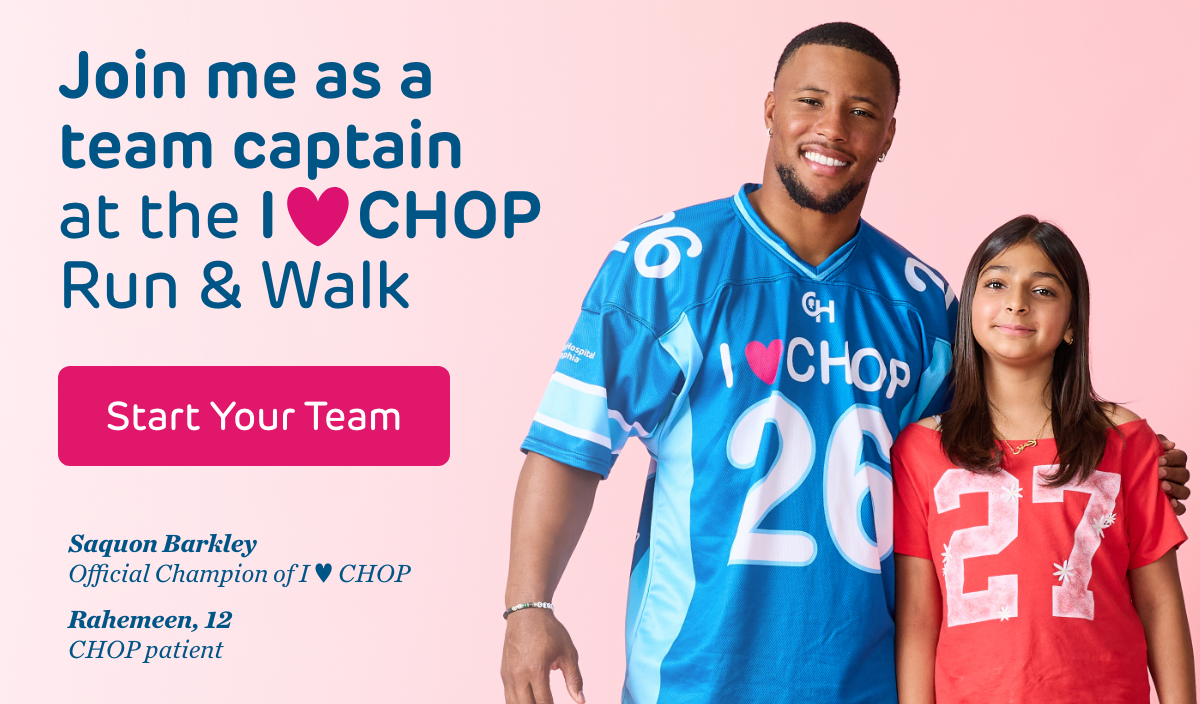
The Children’s Hospital of Philadelphia could have easily sent out a basic celebrity endorsement email, but Saquon Barkley's message is different because he gets specific: mentioning his friend Rahemeen, who came to CHOP from Dubai for treatment, and positioning himself as both champion and team captain rather than just a spokesperson.
What stands out here is how the email turns celebrity endorsement into peer-to-peer fundraising. Instead of just asking people to donate, Barkley invites them to "start your team" and fundraise for specific hospital divisions that matter to them.